

When Should You Worry About Kidney Stones?
Warning Signs Explained
Introduction
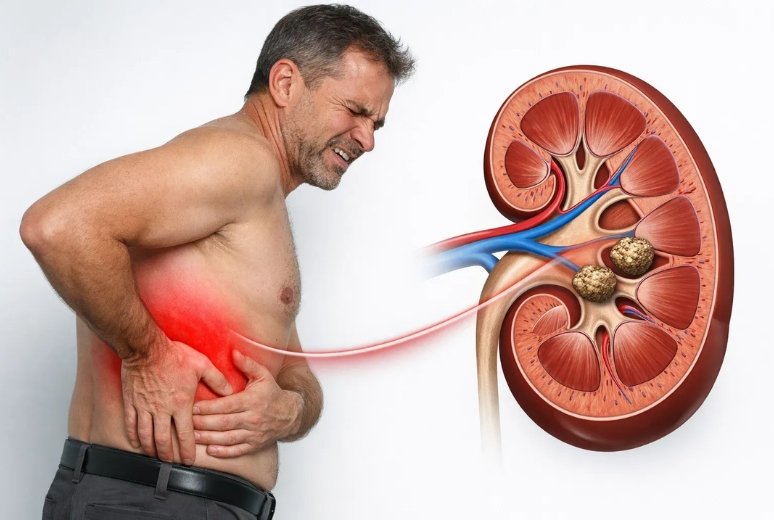
The sudden sharp pain that comes up in your lower back… The discomfort you experience while peeing, or even the general uneasiness in your tummy area, all these symptoms tend to be ignored due to the belief that they are insignificant. However, what if the problem is more serious and it has something to do with kidney stones?
Kidney stones are becoming increasingly common, especially among people who have experienced them before. While some stones pass on their own, others can cause intense pain and complications if not treated on time. Understanding the warning signs and knowing when to seek help for Kidney Stone Treatment in Ahmedabad can make a big difference in preventing further problems.
What Are Kidney Stones?
Kidney stones refer to hard mineral-like structures that are formed in the body’s kidneys. These stones range from specks similar in size to grains of sand to bigger stones that can obstruct one’s urinary tract. While smaller stones can be passed easily without undergoing any treatment, it is advised to seek medical help in cases of bigger kidney stones.
Common Signs That Indicate Kidney Stones
Kidney stones don’t always show symptoms immediately. However, when they start moving or blocking the urinary tract, the signs become noticeable.
Severe Back or Side Pain
This is the most common symptom. The pain usually starts suddenly and may come in waves, often radiating toward the lower abdomen or groin.
Pain During Urination
A burning or sharp sensation while passing urine can indicate that the stone is moving through the urinary tract.
Frequent Urge to Urinate
You might experience the urge to urinate frequently, although little urine will be produced.
Bloody Urination
Your urine may turn pink, red, or brownish because of inflammation resulting from the stone.
Nausea and Vomiting
It is possible to vomit or have nausea because of the excruciating pain.
When Should You Start Worrying?
Not all kidney stones are dangerous, but certain signs should never be ignored—especially if you’ve had stones before.
You should consider seeking medical help if:
● The pain becomes severe and unbearable
● You notice blood in your urine
● You have a fever or chills (possible infection)
● You experience difficulty passing urine
● Symptoms keep recurring over time
Recurring kidney stones are a clear signal that your body may need medical evaluation and long-term management.
Why Recurring Kidney Stones Should Not Be Ignored
If you’ve had kidney stones once, there’s a higher chance they can come back. Many people ignore early symptoms, thinking it’s similar to previous episodes—but recurrence can sometimes be more complicated.
Repeated stone formation may indicate underlying issues such as dehydration, dietary habits, or metabolic conditions. Without proper treatment, stones can grow larger or cause blockage, leading to infections or kidney damage.
How Kidney Stones Are Diagnosed
Diagnosis usually involves a combination of:
● Ultrasound or CT scan to detect stone size and location
● Urine tests to check for infection or mineral levels
● Blood tests to identify underlying causes
These tests help doctors decide the most effective treatment plan.
Treatment Options for Kidney Stones
The treatment depends on the size, type, and location of the stone.
Hydration and Medication
Small stones can often pass naturally with increased fluid intake and prescribed medications.
Stone Elimination Methods
Based on the severity of the condition, various advanced methods such as laser treatment can be suggested.
Minimally Invasive Procedures
For larger stones, advanced procedures are used to break or remove them safely.
At Shyam Speciality Hospital, under the leadership of Dr. Kandarp Parikh, patients are offered advanced treatment for kidney stones with a personalized approach.
How to Prevent Kidney Stones
Prevention plays a key role, especially for those who experience recurring stones.
● Drink plenty of water daily
● Reduce salt and processed food intake
● Maintain a balanced diet
● Avoid excessive intake of oxalate-rich foods
● Follow medical advice for long-term prevention
Small lifestyle changes can significantly reduce the risk of recurrence.
Prevention: How to Stay Stone-Free
If you’ve experienced kidney stones before, prevention becomes extremely important. The good news is that simple daily habits can significantly reduce your risk of developing stones again.
● Stay well hydrated – Drinking enough water helps flush out minerals before they form stones.
● Watch your diet – Reduce salt and processed foods that can increase stone formation
● Limit oxalate-rich foods – Foods like spinach, nuts, and tea should be consumed in moderation
● Maintain a balanced lifestyle – Regular exercise and healthy eating support overall kidney health.
● Follow medical advice – Regular check-ups and guidance can help prevent recurrence
Don’t Ignore the Warning Signs
Kidney stones may start as a minor issue, but they can quickly turn into a painful and serious condition if ignored. Listening to your body and acting early can help you avoid complications and repeated discomfort.
If you’ve been experiencing symptoms or have a history of kidney stones, consulting a specialist for Kidney Stone Treatment in Ahmedabad can help you understand your condition better and receive the right care at the right time.