

How Hot Climate Can Increase Kidney Stone Risk and Ways to Prevent It
Introduction
Hot weather may feel exhausting for your body, but many people don’t realize that it can also affect kidney health. During summer and in regions with high temperatures, cases of kidney stones often increase significantly. Dehydration, excessive sweating, and low water intake create the perfect conditions for stone formation.
For people who have already experienced kidney stones once, the risk becomes even higher in hot climates. Understanding how heat affects your kidneys and taking preventive steps early can help you avoid severe pain and complications that may require Kidney Stone Treatment.
How Dehydration and Kidney Stones Are Connected
Your kidneys need enough water to flush out waste and minerals from the body properly. When fluid intake becomes low, minerals such as calcium and oxalate stay in the urine for longer periods, increasing the chances of crystal formation.
This is why dehydration and kidney stones are closely linked, especially in hot climates where fluid loss happens more quickly. Even mild dehydration over time can increase the risk of recurring kidney stones.
Early Warning Signs You Shouldn’t Ignore
Though not all cases of kidney stones display early signs, once movement starts in the urinary tract, the pain will be unbearable.
Intense Pain in the Back or Side: Pain in the lower part of the back or side is considered a common symptom.
Feeling of Burning During Urination: One may experience a burning sensation when the stones are passed through the body.
Urination Urgency: You may be feeling the urge to urinate frequently, with just a little bit of urine being expelled at a time.
Presence of Blood in the Urine: Pink, brown, or even reddish color of the urine is a potential indicator of kidney stones.
Experiencing Nausea or Vomiting: In severe cases of pain, nausea and vomiting are some symptoms experienced by patients.
Why Recurring Kidney Stones Should Be Taken Seriously
Many people assume kidney stones are a one-time issue, but recurrence is actually very common. Ignoring early signs or delaying treatment may lead to larger stones, infections, or urinary blockage.
At Shyam Speciality Hospital, patients receive advanced and personalized kidney care under the guidance of Dr. Kandarp Parikh. Depending on the size and location of the stone, modern procedures like RIRS treatment may be recommended for safe and minimally invasive stone removal.
With advanced technology and patient-focused care, recovery becomes faster and more comfortable.
Prevention Tips: How to Lower Your Chance of Having Kidney Stones
Fortunately, there are easy and simple steps that you can take to reduce your risk of kidney stones.
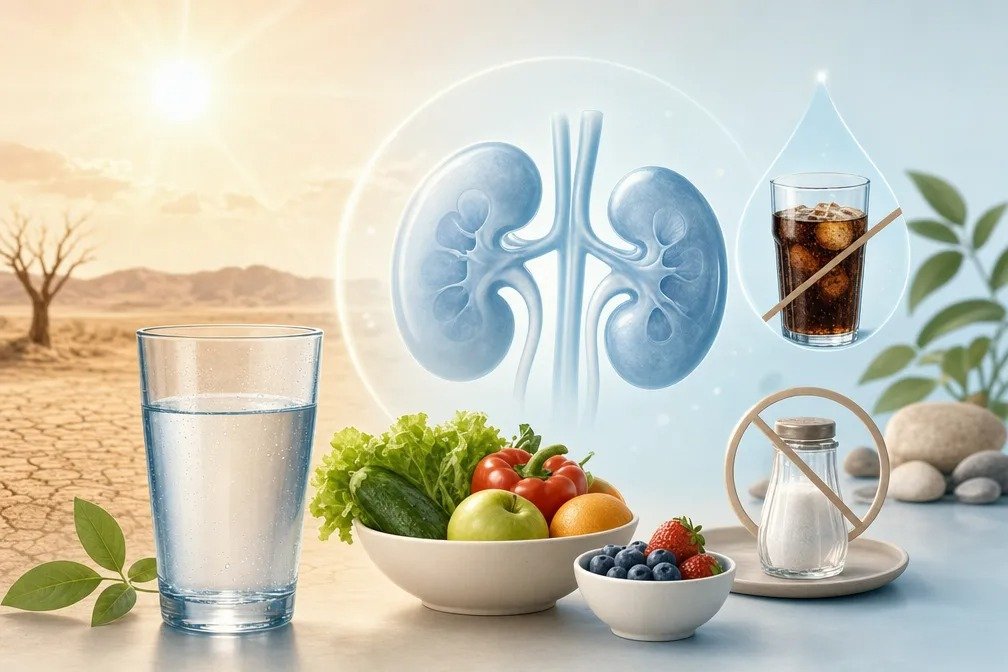
Drink Lots of Water: Drinking enough fluid is the most vital thing that you need to do when it comes to preventing kidney stones.
Cut Down on Salt: Excessive intake of salt can lead to high calcium content in your urine, resulting in kidney stones.
Avoid High Sugar Drinks: Some fluids are said to cause dehydration and kidney stones.
Maintain a Healthy Diet: Eating fresh fruits and vegetables, along with other healthy foods, can keep your kidneys healthy.
Don’t ignore Early Warning Signs: Visiting a physician will make sure that your condition doesn’t progress further.
Attend Routine Examinations: Patients suffering from repeated kidney stones should have regular examinations.
Modern Treatment Options for Kidney Stones
It varies from case to case depending upon the nature, composition, and location of the kidney stone. According to Dr. Kandarp Parikh, small kidney stones can often pass naturally with proper hydration, medications, and supportive treatment, whereas larger stones may require advanced urological procedures for safe and effective removal.
Some of the modern treatment methods are safer and more efficient compared to surgical treatments due to their pain-free nature. These treatments are minimally invasive.
Protect Your Kidney Health During Hot Weather
Hot climates can silently increase the risk of kidney stones, especially if hydration and lifestyle habits are ignored. While kidney stones can be extremely painful, many cases are preventable with awareness and timely care.
If you experience recurring symptoms or have a history of kidney stones, consulting a specialist early can help you avoid complications and maintain better kidney health throughout the year.