
How Doctors Diagnose Prostate Cancer-
Tests and Screening Methods
Introduction
Prostate cancer is one of the most common cancers affecting men, especially as they grow older. Early detection plays a crucial role in successful treatment and better health outcomes. With advancements in medical technology, doctors can now diagnose prostate conditions at an early stage and provide effective Prostate Health Treatment in Ahmedabad. Understanding the diagnostic tests and screening methods used by doctors can help men take proactive steps toward maintaining their prostate health and seeking timely medical care.
What Is the Prostate and Why Is It Important?
The prostate is a small gland located just below the bladder in men and is an important part of the male reproductive system. It produces a fluid that helps nourish and transport sperm, supporting normal reproductive function. As men age, the prostate may undergo certain changes and develop conditions such as
enlargement, infection, or prostate cancer. These conditions can sometimes affect urination and overall health if not diagnosed early. Regular medical checkups and screening are important for detecting prostate issues at an early stage. With proper diagnosis and timely treatment at Shyam Speciality Hospital by Dr. Aditya Parikh.
Common Symptoms That May Indicate Prostate Problems
Prostate conditions may not always show symptoms in the early stages. However, some men may experience signs that require medical attention. Common symptoms include:
● Difficulty starting or stopping urination
● Frequent urination, especially at night
● Weak urine flow
● Pain or burning sensation while urinating
● Blood in urine or semen
● Pain in the lower back, hips, or pelvis
If you experience these symptoms, it is important to consult a prostate cancer specialist for proper evaluation and diagnosis.
Tests and Screening Methods for Prostate Cancer
Doctors use several diagnostic tests to detect prostate cancer or other prostate-related conditions. These tests help determine the presence, severity, and stage of the disease.
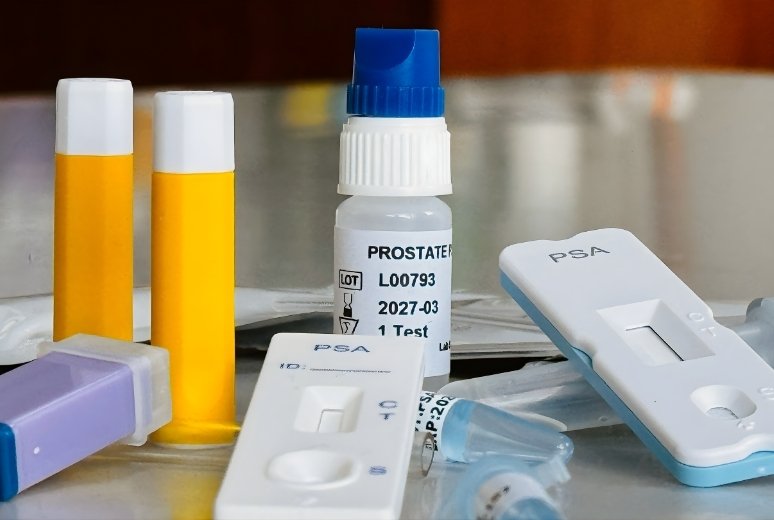
1. Prostate-Specific Antigen (PSA) Test
The PSA test is a blood test that measures the level of prostate-specific antigen in the blood. Higher PSA levels may indicate prostate cancer, prostate infection, or an enlarged prostate.
Doctors often recommend this test as part of routine screening for men over the age of 50 or those with a family history of prostate cancer.
2. Digital Rectal Examination (DRE)
In this examination, the doctor gently inserts a gloved finger into the rectum to check the prostate gland for abnormalities. This test helps detect lumps, swelling, or unusual changes in the prostate.
Although simple, a DRE can provide valuable information and help doctors decide whether further testing is required.
3. Imaging Tests
If doctors suspect prostate cancer, imaging tests may be recommended to get a clearer view of the prostate gland. Common imaging methods include:
● Ultrasound
● MRI scan
● CT scan
These tests help doctors evaluate the size of the prostate and identify any suspicious areas that may require further investigation.
4. Prostate Biopsy
A prostate biopsy is one of the most accurate ways to confirm the presence of cancer. During this procedure, small samples of prostate tissue are collected and examined under a microscope.
This test helps determine whether cancer cells are present and how aggressive they might be.
5. Additional Diagnostic Tests
In some cases, doctors may recommend additional tests to evaluate the spread or severity of prostate cancer. These may include bone scans, advanced MRI imaging, or other specialized diagnostic procedures.
Early detection through proper screening plays a key role in providing effective Prostate Health Treatment in Ahmedabad and improving patient outcomes.
Treatment Options for Prostate Conditions
Once a diagnosis is confirmed, doctors recommend treatment based on the patient’s age, health condition, and stage of the disease. Common treatment options include:
● Active surveillance for early-stage cases
● Medications for symptom management
● Surgery to remove the prostate gland
● Radiation therapy
● Hormone therapy
Patients experiencing urinary issues due to prostate enlargement may also require Enlarged prostate treatment to improve urine flow and overall quality of life.
Why Early Screening Is Important
Early screening helps doctors detect prostate cancer before symptoms become severe. When diagnosed early, treatment is often more effective and less complicated. Men above the age of 50, or those with a family history of prostate cancer, should consider regular screening and medical checkups.
Expert Care at Shyam Speciality Hospital
At our hospital, patients receive comprehensive care for prostate-related conditions with advanced diagnostic technology and personalized treatment plans. Dr. Aditya Parikh, an experienced uro-oncologist and prostate cancer specialist in Ahmedabad, provides expert diagnosis and treatment for various prostate conditions. From routine screenings to advanced procedures, patients receive high-quality care focused on safety, comfort, and long-term health.
Conclusion
Prostate cancer and other prostate conditions can significantly affect a man’s health if left untreated. Understanding the symptoms, screening tests, and diagnostic methods helps individuals seek timely medical attention. With early detection, expert care, and advanced treatment options, patients can successfully
manage prostate conditions and maintain a better quality of life. If you are experiencing prostate-related symptoms, consulting experts at Shyam Speciality Hospital can help you receive an accurate diagnosis and effective treatment.
