



robotic & laparoscopic uro cancer surgery in Ahmedabad
Smaller Incisions. Greater Accuracy. Trusted Cancer Surgery.
What are Robotic & Laparoscopic Surgeries?
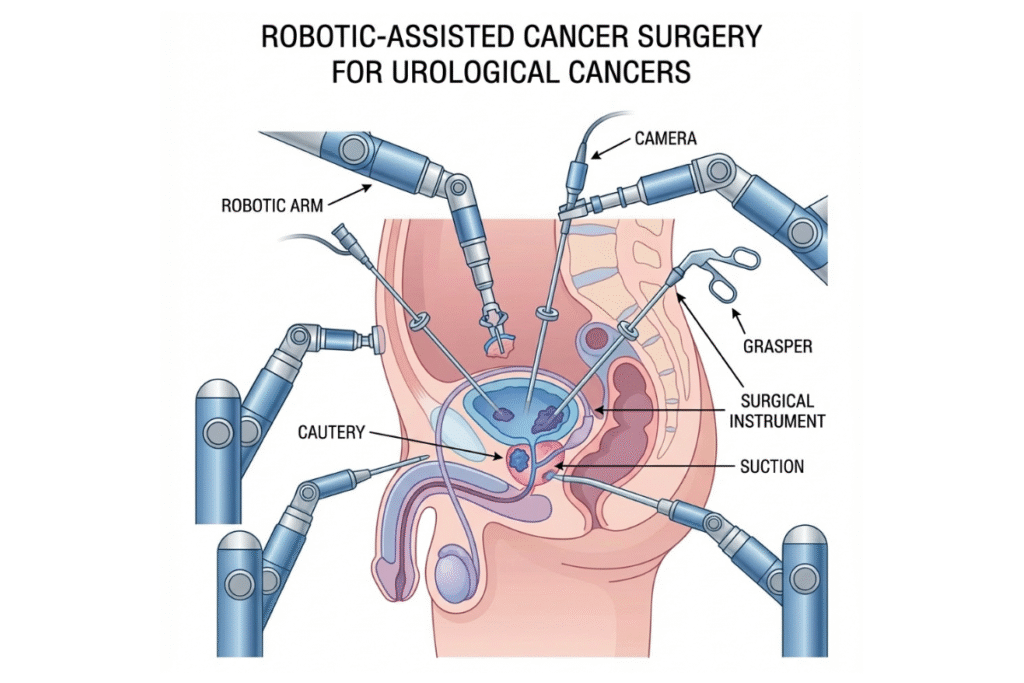
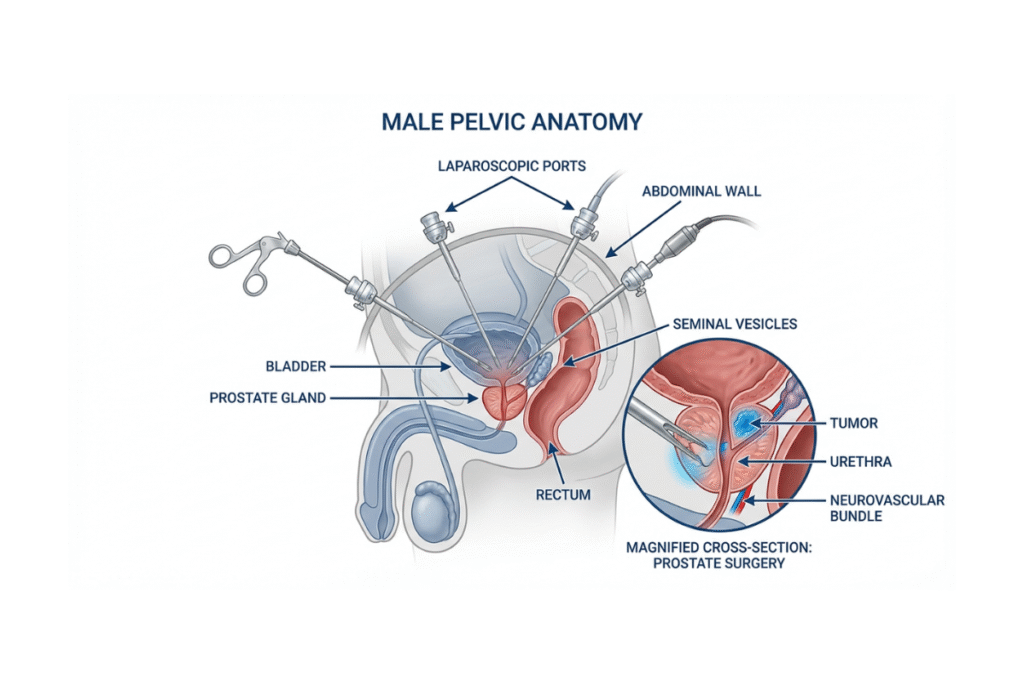
Robotic-assisted and laparoscopic surgeries are minimally invasive techniques used to treat urological cancers with greater precision and control. These surgeries are performed through small incisions using advanced instruments and high-definition visual systems, allowing surgeons to operate accurately while minimising trauma to surrounding tissues.
Compared to traditional open surgery, these approaches result in less pain, reduced blood loss, shorter hospital stays, and faster recovery, without compromising cancer control.
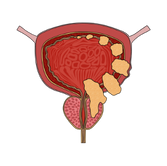
• Used for kidney, prostate, bladder, and other urological cancers
• Designed to improve safety, precision, and post-surgery recovery
Not every cancer requires open surgery. If you are diagnosed with a urological cancer or are exploring treatment options, a specialist can help determine whether robotic or laparoscopic surgery is suitable for your condition.
Treatment Options at Our Center
At Shyam Specialty Hospital, we use robotic and laparoscopic techniques to treat various urological cancers, selecting the safest and most effective approach based on tumour type, stage, and patient health.
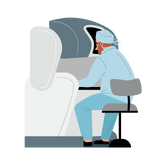
Robotic-Assisted Cancer Surgery
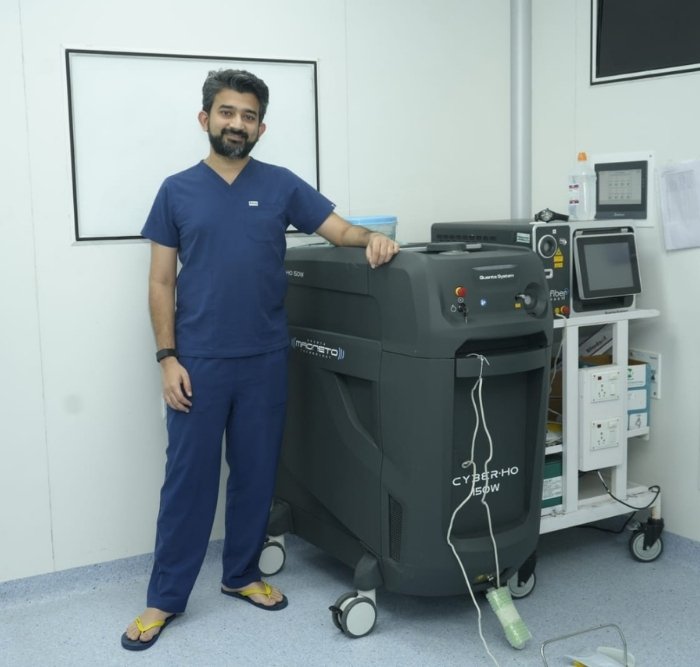
Robotic systems provide enhanced 3D vision, steady instrument control, and precise movement, allowing surgeons to operate in confined areas with exceptional accuracy. This approach is commonly used for prostate and kidney cancers, helping preserve nerves, reduce blood loss, and shorten recovery time.
Laparoscopic Cancer Surgery
Laparoscopic surgery uses small keyhole incisions and specialised instruments to remove cancerous tissue safely. It offers excellent outcomes for kidney and bladder cancers, combining effectiveness with quicker healing and reduced post-operative discomfort.
Organ-Preserving Surgical Approaches
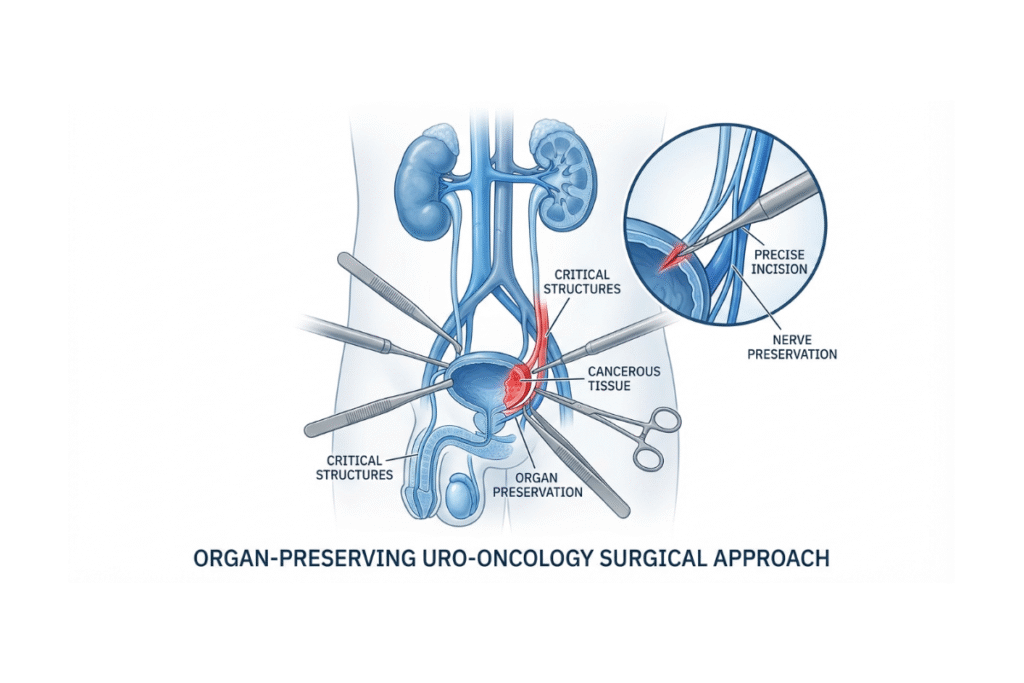
Whenever possible, our team focuses on removing only the cancer while preserving healthy tissue. This approach helps maintain kidney function, bladder control, and sexual health, especially in early-stage cancers.
Booking Your Treatment Visit Is Simple

You can upload your previous scans or briefly explain your symptoms so we can guide you to the most suitable doctor without any confusion.

Our team schedules your visit at a convenient time, sends a confirmation message, and helps with any preparation needed before your consultation.

Your Surgical Treatment Journey
Your surgical journey is planned to be smooth, transparent, and fully supported, from pre-surgical evaluation to recovery and long-term follow-up.
Detailed imaging and staging investigations
Fitness assessment and anaesthesia clearance
Discussion of robotic vs laparoscopic approach
Explanation of risks, benefits, and recovery timeline
Personalised surgical planning
Minimally invasive surgery using advanced technology
Reduced blood loss and controlled precision
Shorter hospital stay and early mobilisation
Pain-managed post-operative care
Continuous monitoring for safety
Faster return to daily activities
Wound care and mobility guidance
Regular follow-up visits and imaging
Monitoring for cancer recurrence
Ongoing coordination with oncology teams
At Shyam Speciality Hospital, our approach is simple expert care with a human touch. Every patient is treated with clarity, compassion and the comfort of knowing they are in experienced hands. With advanced technology, skilled specialists, and a commitment to honest, ethical treatment, we ensure care that is safe, transparent and truly patient-focused.
Why Trust Shyam Speciality Hospital

Expert Led Urology Care
Our treatments are guided by highly trained urologists and surgical experts who combine clinical precision with a patient-first approach for every condition.
Advanced Techniques
From minimally invasive procedures to robotic-assisted surgeries, we use modern equipment that ensures safer care, faster recovery, and reliable outcomes.

Ethical Medical Practice
You receive honest opinions, clear explanations, and cost-transparent recommendations, no unnecessary tests or procedures, always the care you truly need.

Seamless Pre- and Post-Procedure Care
We provide structured guidance from the first consultation to recovery, helping patients feel supported, informed, and confident throughout their journey.
Rapid Recovery & Patient Comfort Focus
Our minimally invasive approach, pain-management protocols, and monitored care environment help patients recover faster with maximum comfort.
Trusted One-Stop Urology Centre
From diagnosis to surgery and rehabilitation, all services are available under one roof, ensuring convenience and continuity in your treatment journey.

From consultation to recovery, we strive for excellence in every step. These testimonials highlight the trust
and confidence our patients place in us.
My robotic surgery was smooth and far less painful than I expected. I was walking the next day and discharged quickly.
The doctors explained why robotic surgery was best for my cancer. The recovery was fast, and I felt confident throughout.
I was afraid of open surgery, but the laparoscopic approach helped me recover comfortably. Excellent care and follow-up.
The team coordinated everything perfectly, from surgery, recovery, and follow-ups. I felt supported at every stage.

Patient-Centered

Human Touch

Trusted Outcomes
Yes. For suitable patients, robotic surgery offers equal or better cancer control with fewer complications and quicker recovery.
Surgery aims to remove cancer completely when possible. Outcomes depend on stage, but robotic surgery does not compromise cancer control.
Pain is usually much less compared to open surgery due to smaller incisions.
Yes. Both are minimally invasive, but robotic surgery provides greater precision and flexibility for complex procedures.
Yes, many elderly patients tolerate minimally invasive surgery well after proper evaluation.
Robotic and laparoscopic surgeries offer a safer, faster, and more comfortable path to cancer treatment. Choosing the right surgical approach can significantly impact recovery and long-term quality of life.