
Step-by-Step Guide to Uterine Fibroid
Treatment:
From Diagnosis to Recovery
Introduction
Uterine fibroids are non-cancerous growths that develop in or around the uterus, commonly affecting women during their reproductive years. While many fibroids may not cause noticeable symptoms, others can lead to heavy bleeding, pelvic pain, and discomfort that impacts daily life. Understanding the complete treatment journey, from diagnosis to recovery can help women make informed decisions. At Shyam Speciality Hospital, patients receive expert care and advanced treatment options for women’s health conditions. If you are experiencing symptoms, exploring options for Uterine Fibroid Treatment in Ahmedabad can ensure timely care and effective management.
What Are Uterine Fibroids?
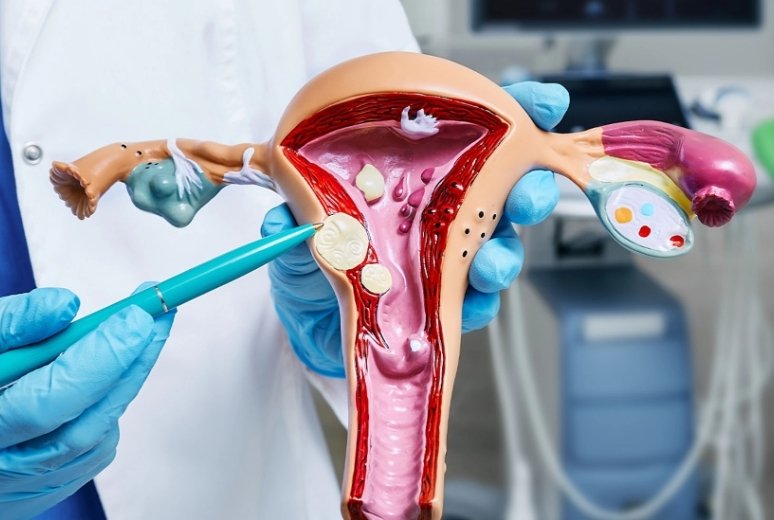
Uterine fibroids, also known as leiomyomas, are benign tumors made of muscle and fibrous tissue. They can vary in size, number, and location within the uterus.
Some women may have small fibroids without symptoms, while others may experience significant health issues depending on the size and position of the fibroids
Common Symptoms of Uterine Fibroids
Not all fibroids cause symptoms, but when they do, they can include:
● Heavy or prolonged menstrual bleeding
● Pelvic pain or pressure
● Frequent urination
● Pain during intercourse
● Lower back pain
● Difficulty getting pregnant
Step 1: Diagnosis of Uterine Fibroids
Kidney stones may not cause symptoms untiThe first step in treatment is accurate diagnosis. Doctors typically begin with a detailed medical history and physical examination. Diagnostic methods include:
● Pelvic examination
● Ultrasound imaging
● MRI scans
● Blood tests (to check for anemia due to heavy bleeding)
These tests help determine the size, number, and location of fibroids, which is essential for planning the right treatment approach.
Step 2: Understanding the Severity
Once fibroids are diagnosed, the next step is to evaluate their severity. Treatment decisions depend on:
● Size and number of fibroids
● Location within the uterus
● Severity of symptoms
● Patient’s age and overall health
● Future pregnancy plans
This step ensures that each patient receives a personalized treatment plan based on their specific condition.
Step 3: Treatment Options for Uterine Fibroids
There are several treatment options available depending on the severity of the condition.
1. Medications- Medications may be recommended to manage symptoms such as pain and heavy bleeding. Hormonal treatments can help regulate menstrual cycles and reduce fibroid growth.
2. Minimally Invasive Procedures- Modern treatments focus on minimally invasive techniques that offer quicker recovery and fewer complications.
● Uterine artery embolization (blocks blood supply to fibroids)
● MRI-guided focused ultrasound
● Laparoscopic or hysteroscopic procedures
3. Surgical Treatment
For larger or symptomatic fibroids, surgery may be required.
● Myomectomy – Removal of fibroids while preserving the uterus
● Hysterectomy – Removal of the uterus in severe cases
Women seeking an advanced Uterine Fibroid specialist in Ahmedabad can benefit from modern surgical techniques that are safer and more effective.
Step 4: Preparing for Treatment
Proper preparation plays a key role in ensuring successful outcomes. Patients may be advised to:
● Undergo necessary pre-operative tests
● Inform the doctor about existing medications
● Follow dietary and lifestyle recommendations
● Arrange post-treatment support
Being well-prepared helps reduce risks and improve recovery.
Step 5: Recovery and Aftercare
Recovery depends on the type of treatment performed. Minimally invasive procedures usually have shorter recovery times compared to traditional surgery.
Recovery tips:
● Get adequate rest
● Avoid heavy physical activity initially
● Maintain a healthy diet
● Stay hydrated
● Follow prescribed medications
Regular follow-up visits are important to monitor healing and prevent recurrence.
From Diagnosis to Recovery: Fibroid Treatment Stages
Stage |
What Happens |
|---|---|
Diagnosis | Tests like ultrasound, MRI, and exams to detect fibroids |
Evaluation | Understanding size, number, and severity |
Treatment Planning | Choosing a medication, procedure, or surgery |
Procedure | Performing the selected treatment |
Recovery | Post-treatment care and follow-ups |
Why Early Treatment Matters
Delaying treatment can lead to complications such as severe anemia, fertility issues, and worsening symptoms. Early diagnosis and timely care can help manage fibroids effectively and improve quality of life. Women experiencing symptoms should not ignore them and consider timely consultation for Uterine Fibroid Treatment.
When Should You See a Doctor?
You should consult a doctor if you experience symptoms like heavy bleeding, severe pelvic pain, frequent urination, or difficulty getting pregnant. These signs may indicate underlying fibroids that require timely medical attention. Early consultation with Dr. Shailee Parikh can help in accurate diagnosis, personalized treatment planning, and effective management for better health outcomes.
Conclusion
Uterine fibroids are a common condition, but with the right approach, they can be effectively managed. Understanding the step-by-step treatment process, from diagnosis to recovery helps women make informed decisions about their health. With advancements in medical care and personalized treatment plans, women can achieve relief from symptoms and improve their overall well-being. Seeking timely Uterine Fibroid Treatment in Ahmedabad ensures better outcomes and a smoother recovery journey.